

Skin Barrier: What It Is, Why It Matters, and How to Repair & Strengthen It
The skin barrier is the outermost layer of the skin (stratum corneum) that acts as a natural “protective shield,” preventing water loss and defending against pathogens and environmental aggressors. A healthy barrier works thanks to a well-organized structure of lipids like ceramides, fatty acids, and cholesterol, along with keratin and natural moisturizing factors (NMFs). When the barrier is damaged, the skin cannot retain moisture, becomes sensitive, red, flaky, and is more prone to infections and irritation.
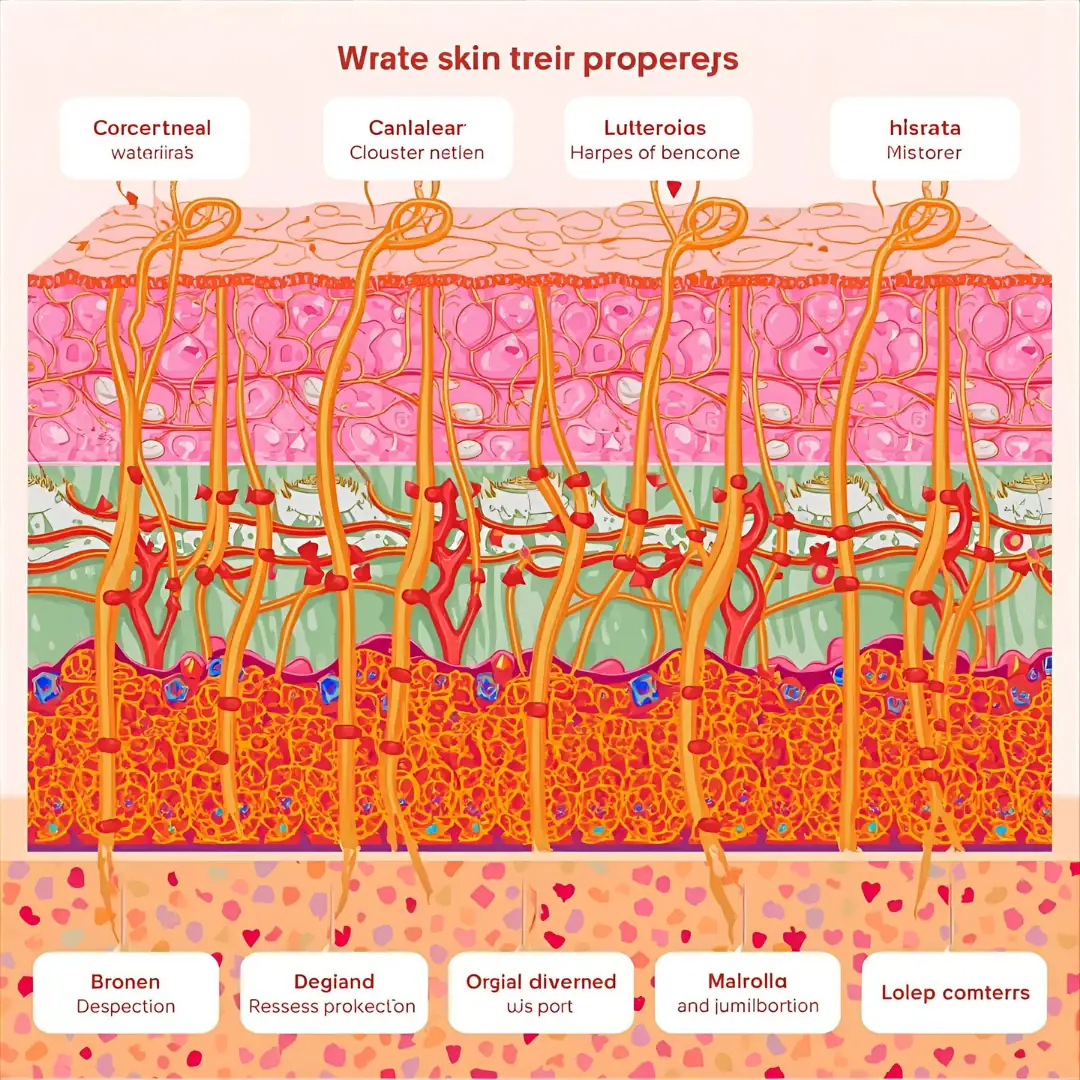
1. Skin Barrier Anatomy
- Stratum corneum: The outer layer; often compared to a “brick wall” — dead keratinocytes are the bricks, and the lipids between them are the mortar.
- Key building blocks: Ceramides, fatty acids, cholesterol. These three are critical for barrier integrity.
- Natural moisturizing factors (NMFs): Components like amino acids, lactate, and PCA help the skin retain water.
2. Why the Skin Barrier Breaks Down (Main Triggers)
- Extreme temperatures and very low or high humidity
- Prolonged sun (UV) exposure
- Harsh, high-pH cleansers and frequent washing
- Over-exfoliation / aggressive physical scrubs
- Certain active cosmetics (if misused) — e.g., high concentrations of AHA/BHA, retinoids
- Smoking, insufficient sleep, poor diet, stress
- Air pollution, allergens
3. Signs Your Skin Barrier Is Compromised
- Constant dryness, flakiness, or tightness
- Redness, burning, or stinging sensations
- Increased sensitivity; reactions to new products
- More frequent acne or inflamed areas
- Fragile appearance, micro-cracks
4. Principles of Barrier Repair — Scientific Approach
- Stop irritation: Stop using harsh products; switch to simple, gentle formulas.
- Moisturize (Priority #1): Moisturizers should perform at least one of these functions:
- Humectant (draws water) — e.g., hyaluronic acid, propylene glycol
- Emollient (softens) — e.g., fatty acids, plant oils, oil esters
- Occlusive (prevents water loss) — e.g., petroleum jelly, dimethicone, shea butter The most effective repair uses a balanced combination of all three mechanisms.
- Barrier-supporting ingredients: Formulas containing ceramides, cholesterol, and fatty acids directly support the barrier’s structure.
- Gradual reintroduction of actives: Slowly reintroduce exfoliants or retinoids (low frequency/concentration).
- Sun protection: UV directly damages the barrier — use broad-spectrum SPF daily.
- Lifestyle factors: Adequate sleep, balanced nutrition, hydration, quitting smoking, and stress management all support barrier health.
5. Practical Daily Routine (Recommended Order)
Morning
- Gentle cleansing (use a non-foaming, non-drying gel if needed)
- Recommendation: b cosmetics — Facial Cleansing Gel (All Skin Types, 200 ml) — gentle formula, ideal for morning routine. (link)
- Light serum/active (e.g., low % niacinamide, antioxidant) — depending on sensitivity.
- For acne/oily skin: b cosmetics Acne Effect Pore-Targeting Serum – 30 ml (link)
- Moisturizer (containing ceramides/fatty acids)
- Broad-spectrum SPF — always before going outside
- Recommendations: b cosmetics Face & Body Sunscreen SPF 50+ or b cosmetics Orange Oil Sunscreen SPF 50+ (link)
Evening
- Gentle cleansing (consider double cleansing if wearing makeup: oil-based first, then gel)
- Repair serum (ceramides, hyaluronic acid, or niacinamide)
- Richer night moisturizer or occlusive layer (e.g., thin petroleum jelly) — ideal for nighttime barrier repair
6. Active Ingredients: What Helps / What to Avoid
- Supportive (strengthening): Ceramides, niacinamide (B3), hyaluronic acid, cholesterol, fatty acids, low-irritation peptides
- Temporary relief/repair: Panthenol (B5), allantoin, niacinamide
- Use with caution: High-dose AHA/BHA, retinoids, high-concentration vitamin C — can irritate damaged barrier. Strengthen first, then reintroduce gradually.
- Common mistake: Over-washing, over-exfoliation, or layering too many products (“more is not always better”).
7. Nutrition, Sleep & Lifestyle
- Hydration: Drinking water helps overall skin health but is not a miracle cure.
- Nutrition: Omega-3s (salmon, flaxseed), antioxidant-rich fruits/vegetables (blueberries, berries, dark leafy greens), vitamin A sources (carrots, eggs), selenium-rich foods (Brazil nuts) support barrier function.
- Sleep: 7–9 hours of regular sleep weekly helps skin regeneration; studies show better barrier function in well-rested individuals.
- Smoking & alcohol: Smoking directly damages skin; alcohol contributes to dehydration.
8. Practical Tips — 10 Steps to Start Today
- Switch daily cleanser to a gentle, non-high-pH formula
- Wash at most twice a day; use lukewarm water
- Choose moisturizers with ceramide + fatty acid + occlusive combinations
- Apply broad-spectrum SPF 30+ (preferably SPF 50+) daily
- Introduce new actives one at a time, at low frequency
- Use richer moisturizer at night
- 1–2 gentle masks/treatments per week; avoid harsh masks
- Include omega-3 and antioxidant-rich foods in your diet
- Target 7–9 hours of regular sleep
- See a dermatologist if redness, persistent inflammation, or infection occurs
9. Which Product Fits Which Skin Type? (b cosmetics Recommendations)
- Normal / combination / sensitive: b cosmetics Facial Cleansing Gel (All Skin Types, 200 ml) — gentle, daily cleansing (link)
- Sun protection (face & body): b cosmetics Face & Body Sunscreen SPF 50+ (link)
- Extra nourishment / aromatic option: b cosmetics Orange Oil Sunscreen SPF 50+ (link)
- Oily / acne-prone / enlarged pores: b cosmetics Acne Effect Pore-Targeting Serum – 30 ml (link)
Note: Always check ingredient lists for personal sensitivities.
10. When to See a Dermatologist
- Increasing or severe redness or pain
- Non-healing wounds or signs of infection (yellow discharge, fever)
- No improvement with over-the-counter products
A dermatologist can prescribe topical formulas (especially non-steroidal repair creams, low-dose short-term steroids) and tailor a care plan.
Conclusion
The skin barrier is a simple yet critical structure. To repair and strengthen it: stop irritation, moisturize appropriately, protect from sun, and maintain healthy lifestyle habits. With the right product selection and consistent, patient care, the barrier can largely recover.
Note: This is for informational purposes only, compiled by the R&D team, not a treatment protocol.
Resources
1. Healthline — “What Is the Skin Barrier?” — A popular guide on what the skin barrier is, its components, and why it's important for skin health. (https://www.healthline.com/health/skin-barrier)
2. Healthline — Guided content on general skin care and beauty topics. (https://www.healthline.com/health/beauty-skin-care)
3. Healthline — Practical tips for supporting skin health, such as “Better skin in 3 days.” (https://www.healthline.com/health/beauty-skin-care/better-skin-in-3-days)
4. QV Skincare — Informative articles on the effects of sun exposure and blemishes on the skin. (https://www.qvskincare.com.au/articles/healthy-beautiful-skin/what-are-freckles.html)
5. WebMD — “Foods for healthy skin” — Simple information on foods that support skin from the inside. (https://www.webmd.com/beauty/features/foods-for-healthy-skin-you-are-what-you-eat)
6. Mayo Clinic — Reliable, understandable information about sun allergies and the effects of UV on skin. (https://www.mayoclinic.org/diseases-conditions/sun-allergy/symptoms-causes/syc-20378077)