
Mechanism of Blue Light–Induced Skin Barrier Impairment
Blue light (HEV – High Energy Visible Light, 400–500 nm) carries sufficient energy to affect the upper layers of the skin, particularly the epidermis. This influence is especially observed in corneocytes, keratinocytes, and epidermal lipid structures.
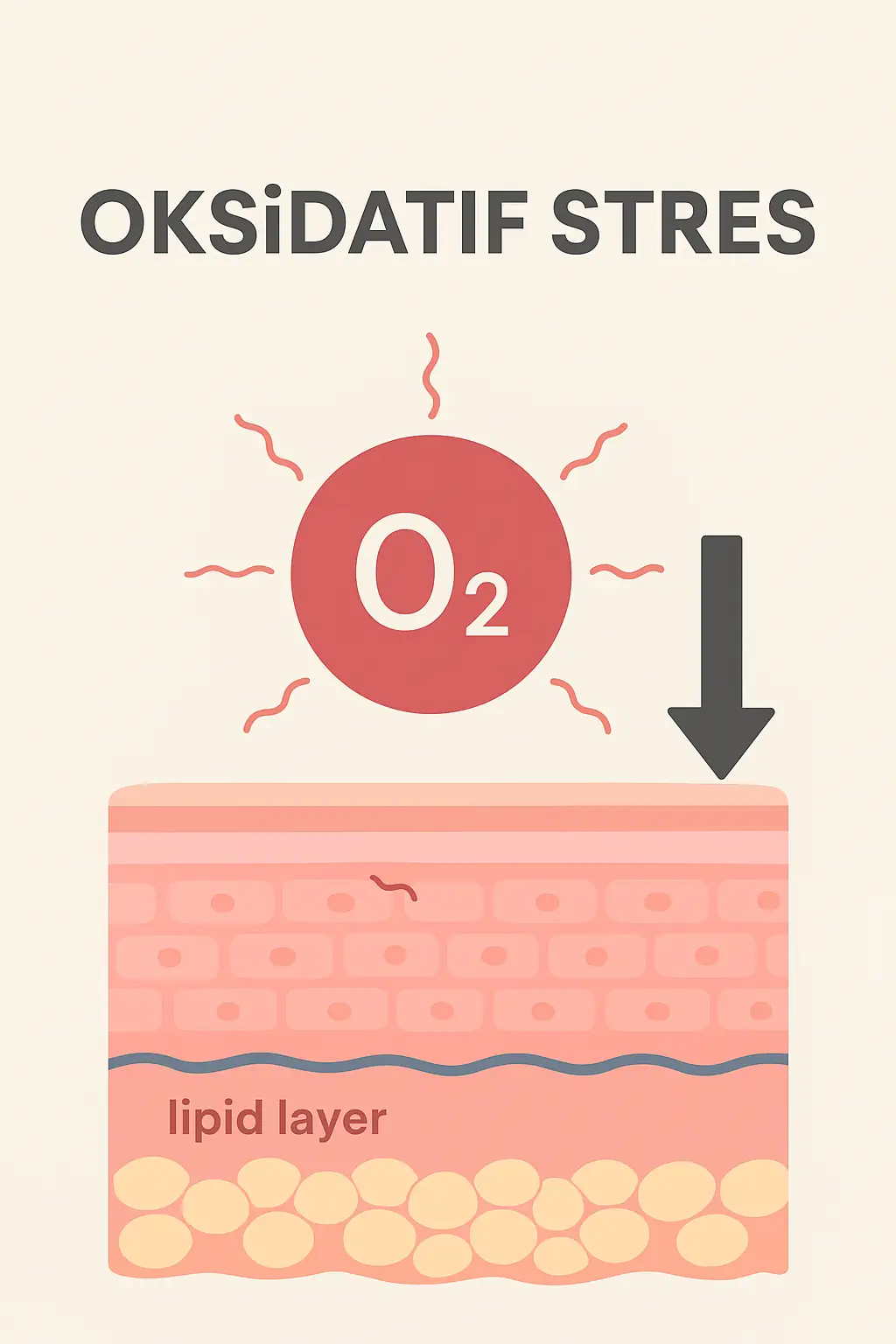
Long-term exposure to blue light leads to an accumulation of reactive oxygen species (ROS) within epidermal cells. When ROS production increases, the intracellular antioxidant defense system—primarily glutathione, catalase, and superoxide dismutase—becomes depleted. This imbalance triggers lipid, protein, and DNA damage in keratinocytes (Pérez-González et al., 2021).
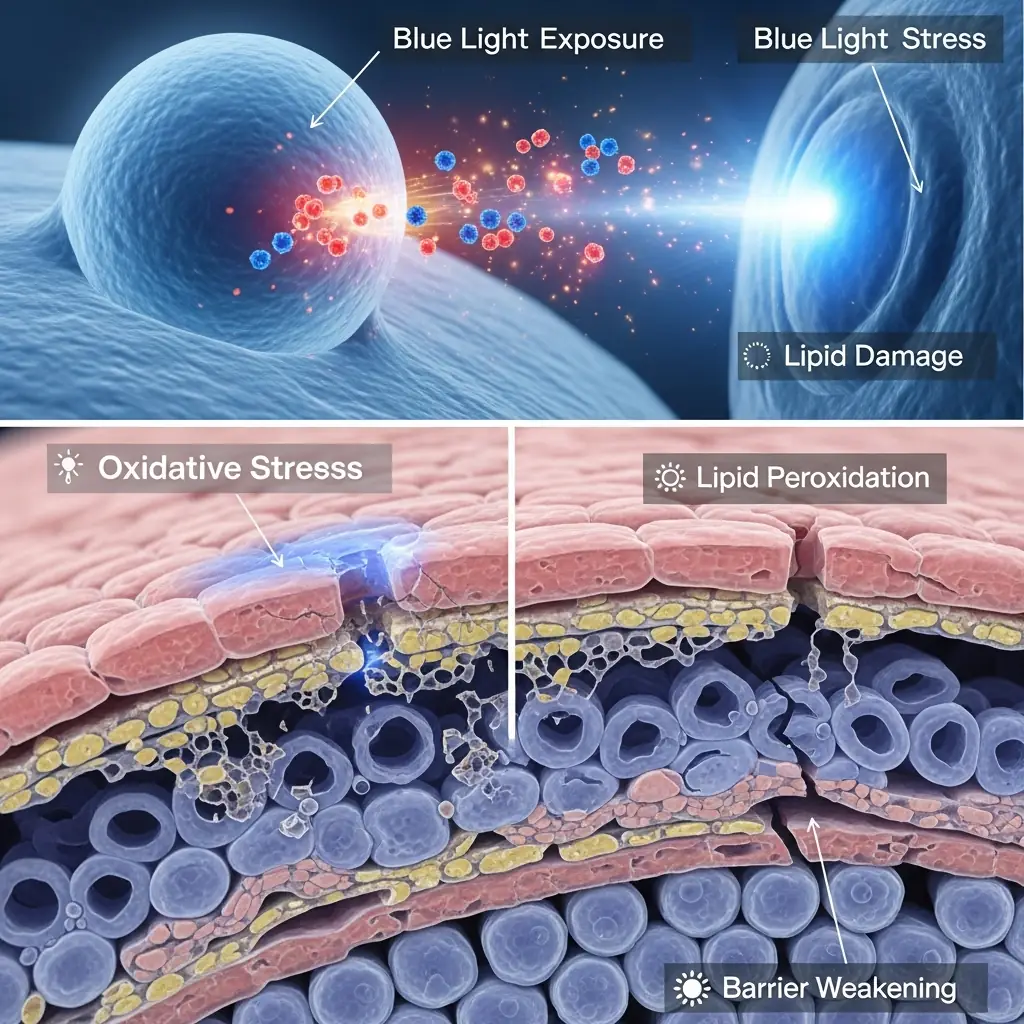
The damage is particularly evident in the lipid matrix of the stratum corneum, which is composed of ceramides, cholesterol, and fatty acids. Disruption of this lipid layer results in:
- weakened barrier function
- increased transepidermal water loss (TEWL)
- reduced water retention
- increased permeability to external agents
Consequently, the clinical manifestations include:
Dryness
Caused by elevated TEWL and impaired moisture retention capacity.
Sensitivity
Due to increased penetration of external irritants and allergens.
Redness
Associated with the elevated release of inflammatory cytokines such as IL-6 and TNF-α.
Some studies show that blue light activates the NF-κB signaling pathway, resulting in inflammatory responses and increased cellular stress in keratinocytes (Liebel et al., 2012).
Why the effect is more pronounced with screen exposure?
Electronic screens such as smartphones, tablets, and computers provide:
- prolonged exposure duration
- short viewing distance
- continuous HEV-intensity radiation
Therefore, extended screen time exacerbates TEWL, oxidative damage, and barrier disruption.
Additionally, studies have reported reduced sirtuin-1 (SIRT1) expression in blue-light-exposed cells, which compromises epidermal repair and homeostasis.
Scientific References
Liebel, F., Kaur, S., Ruvolo, E., & Southall, M. (2012). Blue light induces oxidative stress in human skin. Journal of Investigative Dermatology.
Pérez-González, R., et al. (2021). High-energy visible light exposure increases oxidative stress and inflammatory response in epidermal cells. Photodermatology, Photoimmunology & Photomedicine.
Opländer, C., et al. (2013). Visible light damages lipid membranes in keratinocytes through ROS formation. Free Radical Biology & Medicine.
Krutmann, J., et al. (2017). Environmental stressors such as visible light contribute to extrinsic skin aging. Experimental Dermatology.